
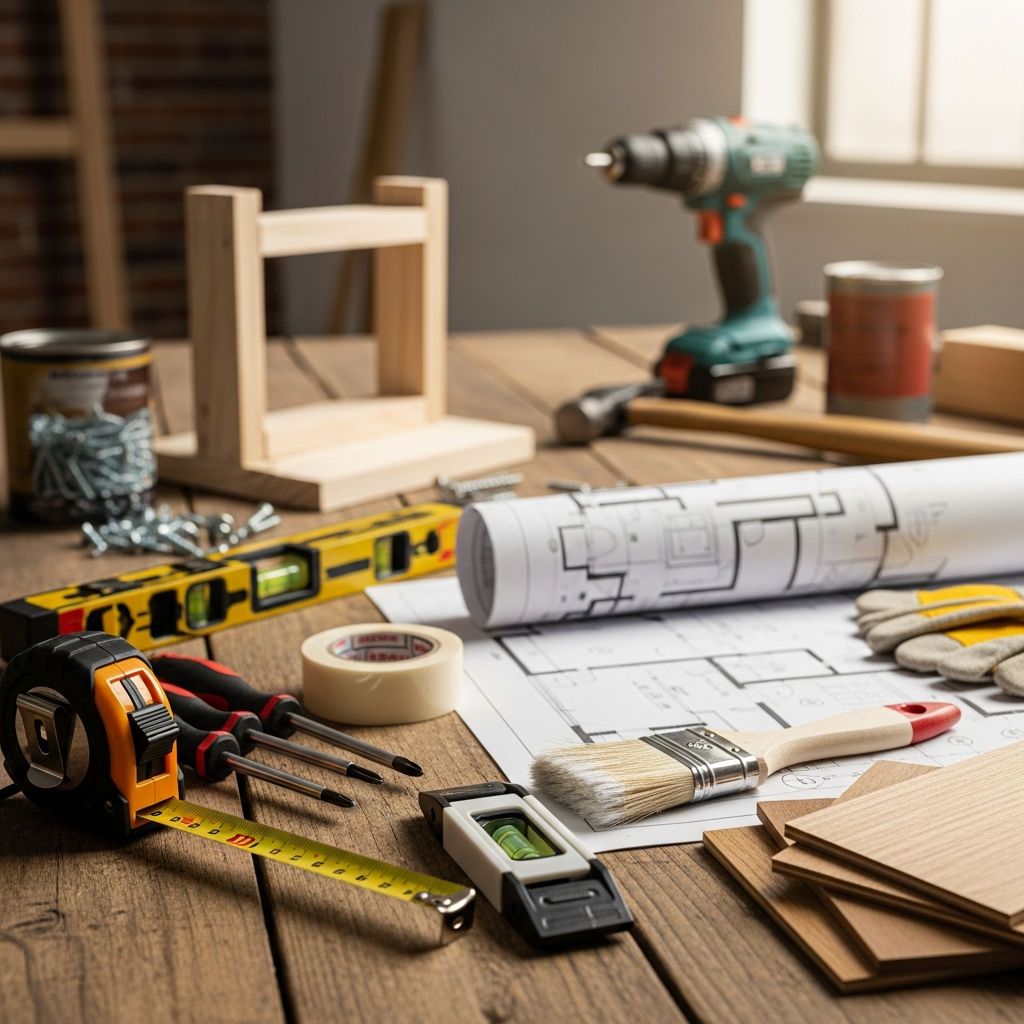
21 Complete Tips to Improve Your Home Improvement Projects
Home improvement is more than just a weekend hobby; it is a strategic investment in your property’s value and your personal quality of life. Whether you are planning a full-scale renovation or looking for small DIY projects to tackle over the weekend, having a clear roadmap is essential. Without proper planning, a simple kitchen refresh can quickly turn into a budgetary nightmare.
In this comprehensive guide, we have compiled 21 expert tips to help you streamline your process, save money, and achieve professional-grade results. From the initial planning stages to the final finishing touches, these strategies will ensure your next home improvement project is a resounding success.
1. Create a Realistic Budget and Stick to It
The most common pitfall in home improvement is cost overruns. Before you pick up a hammer, calculate your total available funds. Experts recommend setting aside an additional 10% to 20% of your budget for “contingency fees”—unexpected issues like mold, outdated wiring, or structural repairs that only become visible once the work begins.
2. Prioritize Structural Repairs Over Aesthetics
It is tempting to spend your budget on a beautiful new backsplash, but if your roof is leaking or your foundation is settling, those cosmetic upgrades won’t last. Always address “envelope” issues—roofing, siding, windows, and foundation—before moving to interior design. A dry, stable house is the foundation of all good home improvement.
3. Research Local Building Permits
Never assume a project doesn’t need a permit. Converting a garage, adding a deck, or changing electrical layouts usually requires city approval. Failing to get permits can lead to fines and may even prevent you from selling your home in the future. Check with your local building department early in the planning phase.
4. Invest in Quality Tools
If you are taking the DIY route, do not skimp on tools. Cheap tools often lead to poor finishes and can even be dangerous. You don’t need to buy everything; for specialized equipment like floor sanders or tile saws, consider renting from a local home improvement store to get professional-grade results at a fraction of the cost.
5. Improve Lighting with Layers
Lighting is one of the most cost-effective ways to transform a room. Avoid relying solely on a single overhead light. Instead, use a “layered” approach:
- Ambient lighting: General overhead light.
- Task lighting: Under-cabinet lights in kitchens or reading lamps in the den.
- Accent lighting: Spotlights for artwork or architectural features.
6. Focus on the Kitchen and Bathroom for High ROI
If your goal is to increase resale value, focus your efforts on the kitchen and the primary bathroom. These rooms consistently offer the highest return on investment (ROI). Even minor updates like replacing old faucets, updating cabinet hardware, or installing a modern backsplash can yield significant returns.
7. Don’t Over-Improve for the Neighborhood
While you want your home to be beautiful, be careful not to make it the most expensive house on the block by a wide margin. If your renovations exceed the average home value in your area, you may struggle to recoup those costs when it comes time to sell. Keep your improvements in line with local market standards.
8. Master the Art of Painting
A fresh coat of paint is the “magic wand” of home improvement. To get a professional finish, spend 70% of your time on preparation. This includes cleaning walls, sanding rough spots, and using high-quality painter’s tape. Use neutral colors like “greige,” soft whites, or light blues to make spaces feel larger and more inviting.
9. Maximize Storage Space
Home buyers and homeowners alike crave storage. Look for “dead space” that can be converted into functional storage. This might include installing floating shelves, adding a built-in bench with storage under a window, or utilizing the space beneath the stairs. Organization is a key component of home improvement.
10. Upgrade to a Smart Thermostat
Modernizing your home doesn’t always require a sledgehammer. Installing a smart thermostat is a quick improvement that pays for itself. These devices learn your schedule and optimize heating and cooling, reducing your energy bills and adding a “high-tech” appeal to your home’s utility system.
11. Boost Curb Appeal Instantly
First impressions matter. You can dramatically improve your home’s exterior without a massive budget. Consider these quick wins:
- Power wash the siding and driveway.
- Paint the front door a bold, welcoming color.
- Replace old, tarnished house numbers with modern typography.
- Install solar-powered path lighting.
12. Don’t Ignore the Landscape
Landscaping is a vital part of home improvement. Overgrown bushes can make a house look small and neglected. Trim back trees, add fresh mulch to flower beds, and plant perennials that will return year after year. A well-maintained lawn suggests that the interior of the house is equally well-cared for.
13. Improve Energy Efficiency
Energy-efficient homes are more comfortable and cheaper to run. Check for drafts around windows and doors and apply weatherstripping or caulk where needed. Adding extra insulation to your attic is one of the most effective ways to lower utility bills and improve your home’s “green” rating.
14. Choose Timeless Over Trendy
While “ultra-modern” trends look great in magazines, they can quickly become dated. For major installations like flooring, cabinetry, and tiling, choose timeless styles (like Shaker cabinets or hardwood floors). Use accessories like pillows, rugs, and art to incorporate current trends that can be easily swapped out later.
15. Open Up the Floor Plan (Carefully)
Modern living favors open spaces. If you have a cramped layout, consider removing a non-load-bearing wall to connect the kitchen and living room. However, always consult a structural engineer before removing any wall to ensure you aren’t compromising the integrity of your home.
16. Refresh Your Cabinetry
You don’t always need to replace kitchen cabinets to get a new look. If the “bones” of the cabinets are good, you can simply paint the frames and replace the doors (refacing). At the very least, replacing old, dated knobs and pulls with modern brushed nickel or matte black hardware can make a world of difference.
17. Use Mirrors to Create Space
In smaller homes or dark hallways, mirrors are a secret weapon. A large, well-placed mirror reflects light and creates the illusion of more square footage. Placing a mirror opposite a window is the best way to double the natural light in a room.
18. Update Your Flooring
Worn-out carpet or scratched linoleum can drag down the look of an entire home. Luxury Vinyl Plank (LVP) has become a favorite for home improvement enthusiasts because it is waterproof, durable, and looks remarkably like real wood. It is also an excellent DIY-friendly project that can be installed over most existing subfloors.
19. Refurbish Your Deck or Patio
Outdoor living space is more valuable than ever. If you have an existing deck, a thorough cleaning and a fresh coat of stain can make it look brand new. If you don’t have an outdoor area, creating a simple gravel patio with a fire pit can add significant lifestyle value for a very low cost.
20. Declutter Before You Decorate
No amount of renovation can hide a cluttered home. Before starting any improvement project, go through a rigorous decluttering process. Donate items you haven’t used in a year. Once the space is clear, you can see the true potential of the room and make better design decisions.
21. Know When to Call a Professional
The final tip for successful home improvement is knowing your limits. While DIY can save money, mistakes in plumbing, electrical work, or structural changes can be incredibly expensive to fix. If a job involves gas lines, the main electrical panel, or complex permits, it is always better to hire a licensed professional.
Conclusion
Improving your home is a journey that requires patience, planning, and a bit of elbow grease. By following these 21 tips, you can avoid the common mistakes that plague many homeowners and focus on the projects that bring the most joy and value. Remember, the best home improvements are those that make your space more functional for your family while protecting your long-term financial investment. Start small, plan thoroughly, and watch your home transform.