Most homes in rural areas rely on on-site systems to treat wastewater before it returns to the environment. The process typically follows three main stages: settlement, biological treatment, and final disinfection.
How treatment systems work
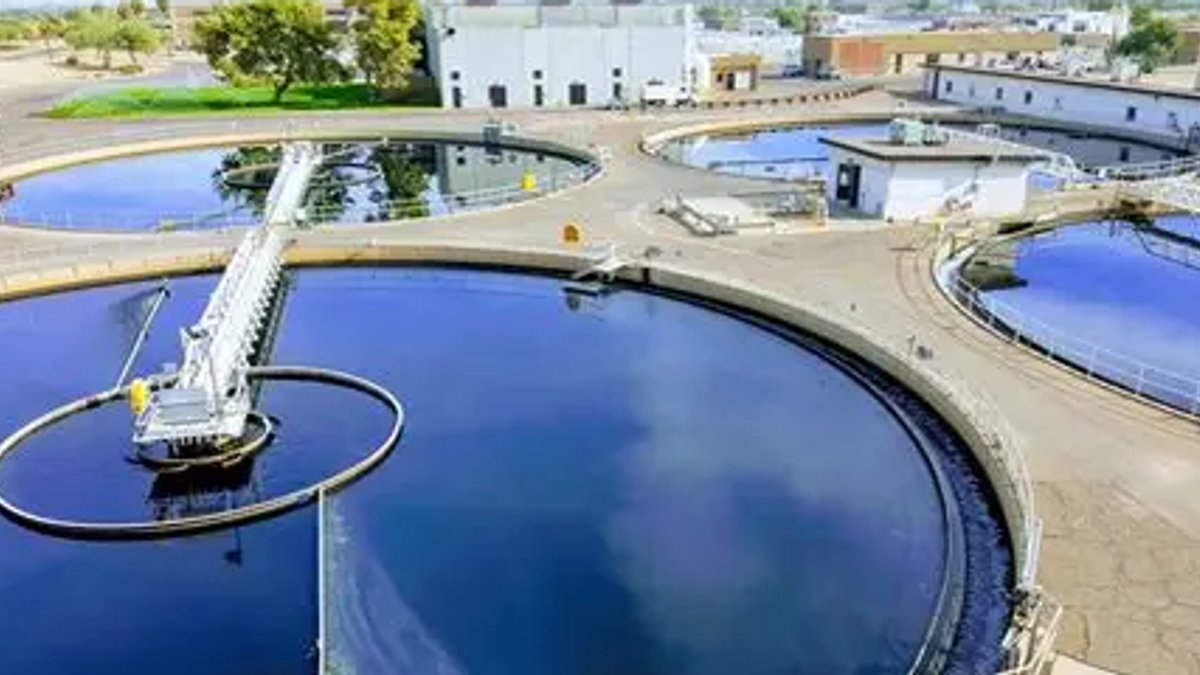
The first stage separates solids from liquids. Heavy particles sink to the bottom of a tank, while lighter materials float to the top. The remaining liquid moves to the next phase, where bacteria break down organic matter.
Secondary treatment often involves aeration. Air pumps or mechanical systems circulate oxygen through the wastewater, encouraging aerobic bacteria to consume contaminants. This step reduces biological oxygen demand, a key measure of water quality.
Related: Government approves modular homes for faster housing
Final treatment may include filtration or ultraviolet light to disinfect the water before it is discharged. The treated water is then discharged into the ground or a nearby waterway, depending on local regulations.
Standards and performance
In Northern Ireland, effluent discharged into waterways must achieve at least 97.5% BOD reduction. For sub-surface irrigation systems, the requirement drops to 95%. Other factors, like suspended solids, chemical oxygen demand, ammonia, and phosphate levels, also determine compliance.
The Environmental Protection Agency in Ireland sets its own rules under the 2021 Code of Practice for Domestic Waste Water Treatment Systems. Systems serving fewer than 10 people must meet these standards, which match the SR66 guidelines.
Older septic tanks, once common in rural homes, often fail to meet modern requirements. These block-built systems lack aeration, producing effluent that may not be safe for direct discharge to a waterway. Many still use percolating filter beds—gravel-filled trenches that further treat wastewater—but these need regular maintenance to work properly.
Related: How Can I Verify an Electrician’s Credentials in Georgetown?
Modern systems and alternatives
Package wastewater treatment plants (PWWTPs) are nowadays the most commonly used solution for treating effluent before it is discharged. These systems introduce air into the effluent during the secondary stage, using electrical air pumps or motors to drive a mechanical system, circulating air through the sewage, which promotes the growth of aerobic bacteria to break down the sewage, producing a higher quality effluent. Prefabricated septic tank systems are usually constructed from plastic, glass reinforced plastic (GRP) or concrete. They were intended to be connected to a sub-surface irrigation or other filtration system and not directly to a waterway.
Other designed systems may incorporate the use of reed beds, constructed wetland systems, soakaway mounds and other methods that further improve the quality of effluent before final discharge.
Cess pits are less often encountered nowadays, but they still exist on some older properties. As they do not process the sewage in any way, they must not be permitted to leak or overflow, so must be regularly emptied by the local council or a licenced waste disposal specialist.