Homeowners planning repairs to a historic, protected or thatched property may be eligible for financial support under three built heritage funding schemes now open for 2027 applications. The government has released details for the Built Heritage Investment Scheme and the Historic Thatched Buildings scheme, which are designed to help owners repair and conserve historic buildings, protect traditional streetscapes, and support specialist crafts.
The Built Heritage Investment Scheme, commonly known as BHIS, provides grants of between €2,500 and €50,000. It supports the maintenance and repair of buildings protected under planning legislation, as well as certain vernacular buildings that may not have formal protection but are considered important to Ireland’s architectural heritage. A vernacular building is generally a traditional structure built using local materials and methods, such as a stone cottage or farmhouse.
According to the circular issued by the department of housing, eligible work may include repairs to traditional timber or metal windows and other significant historic building features. Grants will not usually cover the full cost of a project. Applicants will generally need to provide their own funding and may need to work with a conservation professional or suitably experienced contractor.
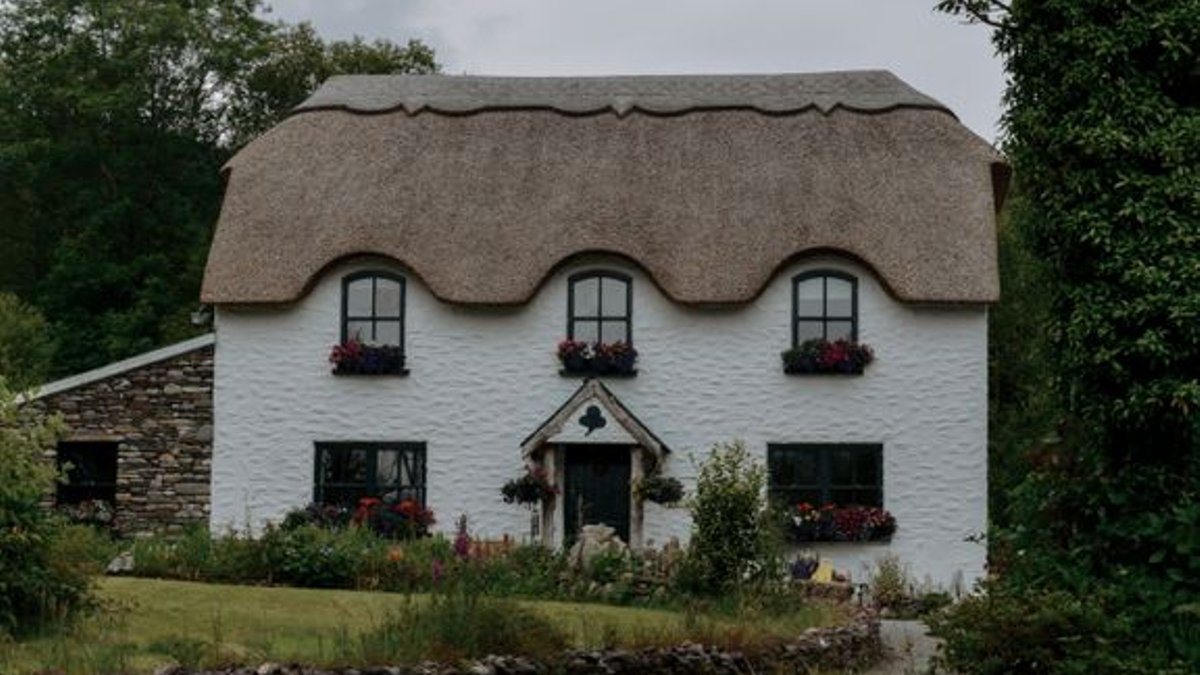
The Historic Thatched Buildings scheme provides targeted support for owners of historic structures with thatched roofs. The maximum grant available is up to €20,000 covering up to 80 per cent of total cost of works. More than €600,000 was allocated to this funding stream in 2026. The scheme recognises the particular challenges faced by owners of thatched properties, including the cost of specialist labour and the limited number of experienced thatchers.
Related: Ireland eases planning rules today
Owners should contact their local authority before commissioning work, as starting a project before receiving approval could affect grant eligibility.
A building may be eligible if it is listed on the local authority’s Record of Protected Structures, proposed for inclusion on the Record of Protected Structures, located within an Architectural Conservation Area, or is a qualifying vernacular building. A historic building with a thatched roof also qualifies.
The Record of Protected Structures can usually be checked through the local authority’s planning department, county development plan or online mapping system. If you’re unsure, contact your local Architectural Conservation Officer, Heritage Officer or planning department.
Heritage grant applications will require paperwork. Depending on the project, you may need to provide photographs of the building and damaged areas, a description of the proposed work, details of materials and repair methods, a conservation report or method statement, evidence that the contractor has suitable heritage experience, and planning or protected-structure consent, where required.
Related: How Can I Verify an Electrician’s Credentials in Georgetown?
Traditional buildings can be damaged by unsuitable modern materials, such as hard cement renders, impermeable paints or inappropriate replacement windows. Grant-supported work will therefore normally be expected to follow recognised conservation principles. You should avoid replacing historic features where repair is possible.
Applications must be submitted to the relevant local authority.
Deadlines and timeline
Homeowners looking to apply should be aware of the specific submission dates for each scheme. The Built Heritage Investment Scheme closes on 30 October 2026, and the Historic Thatched Buildings scheme closes on the same date. The Historic Structures Fund closes a little later, on 27 November 2026.
Successful projects are expected to be announced in early 2027, with approved work to be completed during the 2027 calendar year. If you’re considering applying for one of the schemes, contact your local authority as early as possible, as local submission procedures and internal deadlines may vary.